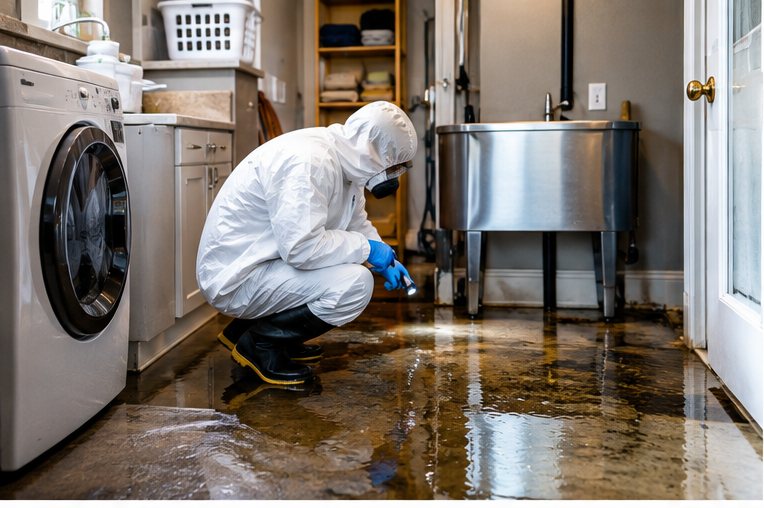
What is black water cleanup? Black water is commonly used for grossly contaminated water. Sewage is a typical example. Because contamination can be significant, the cleanup plan emphasizes exposure control, removal of contaminated material where appropriate, physical cleaning, sanitation, and moisture management.
How black water cleanup is approached
Black water is commonly used for grossly contaminated water. Sewage is a typical example. Because contamination can be significant, the cleanup plan emphasizes exposure control, removal of contaminated material where appropriate, physical cleaning, sanitation, and moisture management.
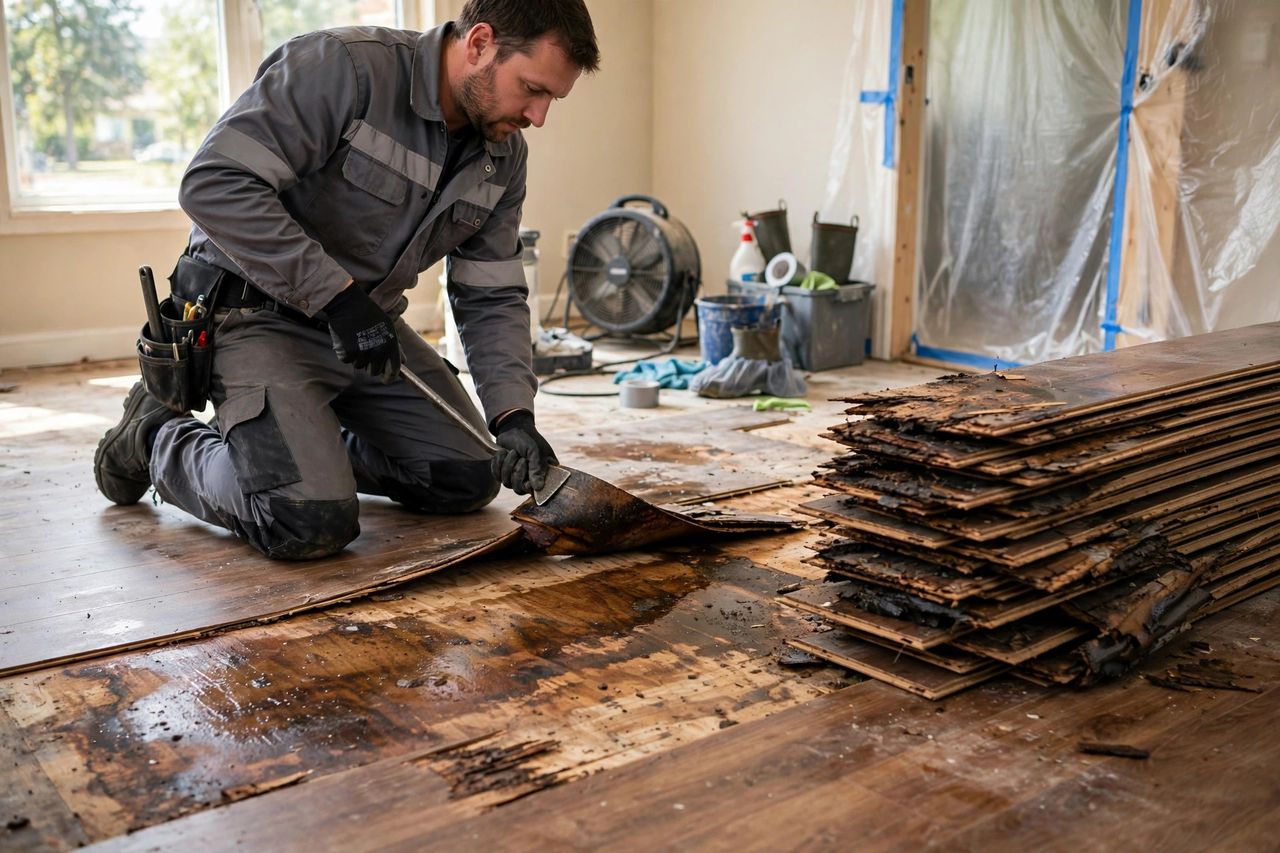
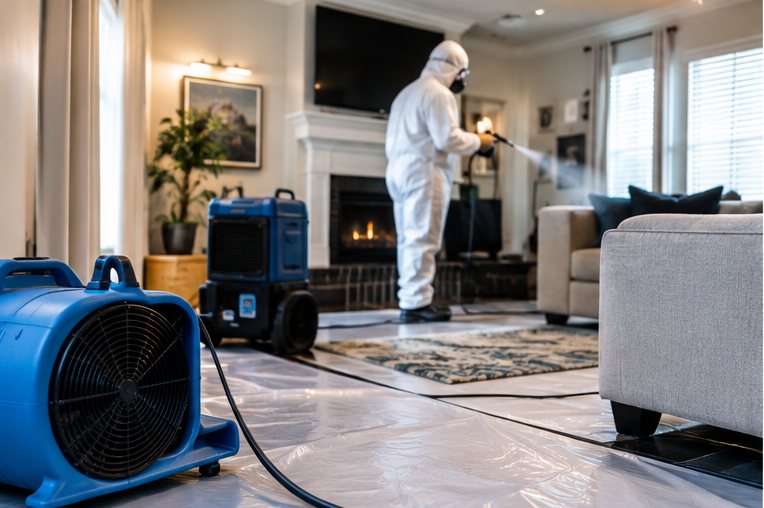
In restoration terms, water comes in three categories, and black water — Category 3 — is the worst: grossly contaminated, potentially carrying bacteria, viruses, and parasites. That classification changes every decision. Porous materials don't get cleaned; they get removed. Workers wear respirators, not just gloves. And containment barriers go up so contamination doesn't migrate into clean rooms on boots, hoses, or air currents. There's no shortcut version of this work.
Conditions that determine the cleanup scope
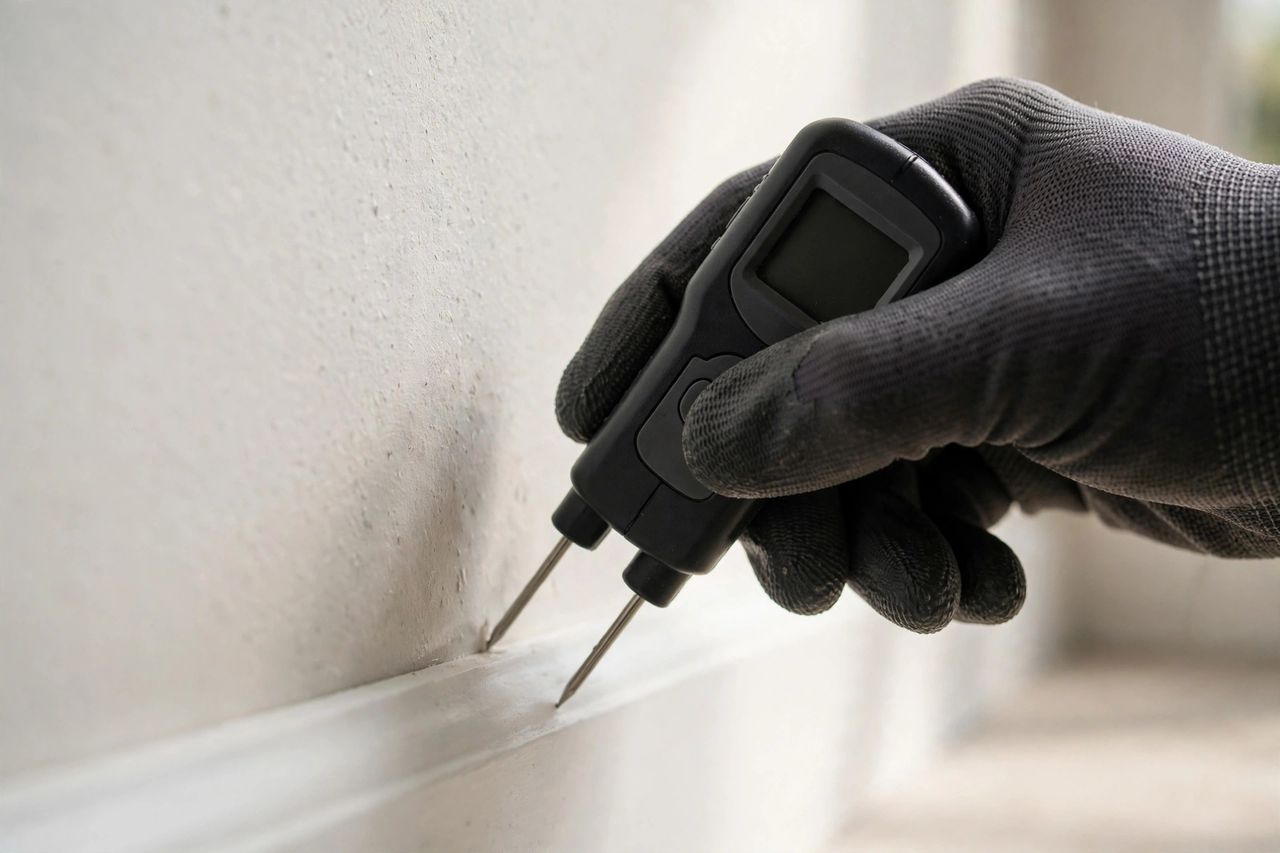
The deciding factors are the degree of contamination, which materials the water contacted, how porous those materials are, and whether moisture remains hidden behind or beneath surfaces. Heavily contaminated or porous materials often cannot be cleaned in place, which shifts the scope from cleaning toward controlled removal and sanitation.
Typical cleanup sequence
Assess the source and contamination path
Control the affected area and reduce unnecessary exposure
Remove wastewater and contaminated materials where appropriate
Physically clean affected surfaces and contents that can be retained
Dry and monitor affected areas for remaining moisture
Address odor, microbial growth, repairs, and restoration needs
Materials that may be affected
With black water, the materials list is really a removal list: carpet and pad, upholstered furniture, mattresses, drywall that wicked up contamination, insulation, particleboard, and any fabric or paper goods it touched. Only hard, nonporous surfaces — tile, concrete, sealed metal, porcelain — are candidates for cleaning and disinfection, and only after bulk removal.
What to do before cleanup
- Keep people and pets away from the contaminated water— exposure is a health risk.
- Do not mix cleaning chemicals or improvise treatments— some combinations release dangerous fumes.
- Do not run fans that blow across contaminated water— it spreads contaminated aerosols through the property.
- Photograph visible damage for your records in case they are needed later.
- Find out whether the source is still active— cleanup cannot succeed while water is still coming in.
What not to assume
With Black Water Cleanup, a surface that looks dry is not automatically clean — contamination is measured by what the water carried, not by how the surface looks now. Porous materials that absorbed wastewater are typically removed, while hard, non-porous surfaces can often be cleaned and disinfected.
Schertz context
Black-water events in Schertz come from sewer backups, septic failures, and occasionally storm-driven flooding that mixes with sewage systems. The City of Schertz's wastewater page notes blockages from improper disposal and names CCMA as the regional wastewater provider — relevant when the source may be beyond your property line.
Questions people ask about black water cleanup
What is black water cleanup?
Black water is the term commonly used for grossly contaminated water, and sewage is the most typical example. Black water cleanup therefore assumes a significant contamination level: the plan emphasizes exposure control, removal of contaminated materials where appropriate, physical cleaning, sanitation, and moisture management. The exact scope depends on the source, the materials contacted, and moisture conditions.
When is black water cleanup needed?
It is needed when the water involved is sewage or otherwise grossly contaminated — for example a sewer backup, a toilet overflow carrying waste, or wastewater mixed with soil or debris. If porous materials like carpet, padding, drywall, or insulation contacted black water, ordinary household cleaning is not enough to address them.
Can the visible water be the whole problem?
No. With black water, the bigger concern is often what the water carried into materials and hidden spaces rather than the water itself. Contaminated water can wick into drywall, soak into subflooring, and travel behind trim, so the visible puddle is only one part of the contamination picture.
What should happen before deodorizing?
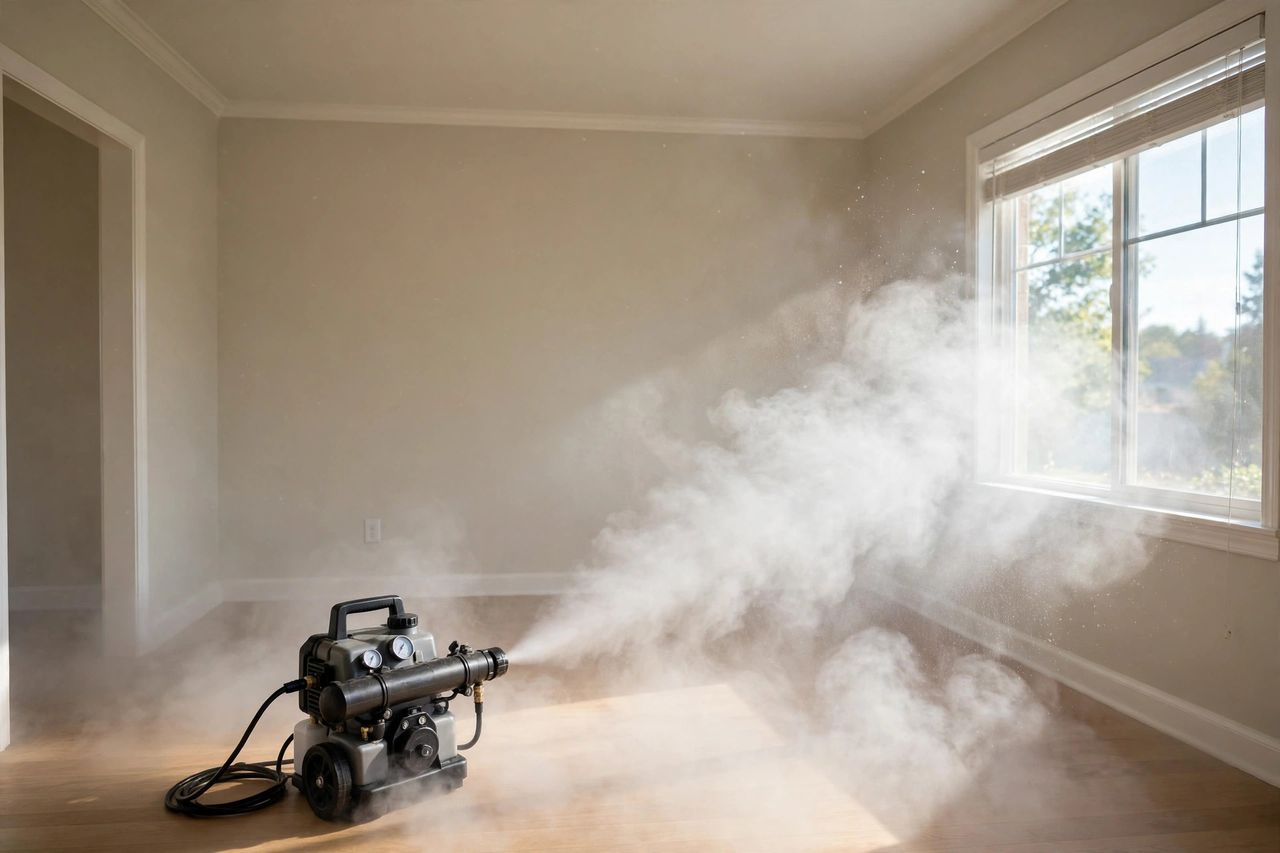
Remove the contaminated water, clean soils and residues from surfaces, address affected porous materials, and manage remaining moisture first. Because odor with black water usually comes from residues or materials that are still contaminated or damp, deodorizing should come after the source is controlled.
What if the backup appears to be a public sewer problem?
Contact the appropriate municipal or utility authority in addition to addressing contamination on the property. The City of Schertz identifies CCMA as the regional wastewater provider serving Schertz and nearby communities. Cleanup and utility diagnosis are separate tasks that should be handled in parallel.