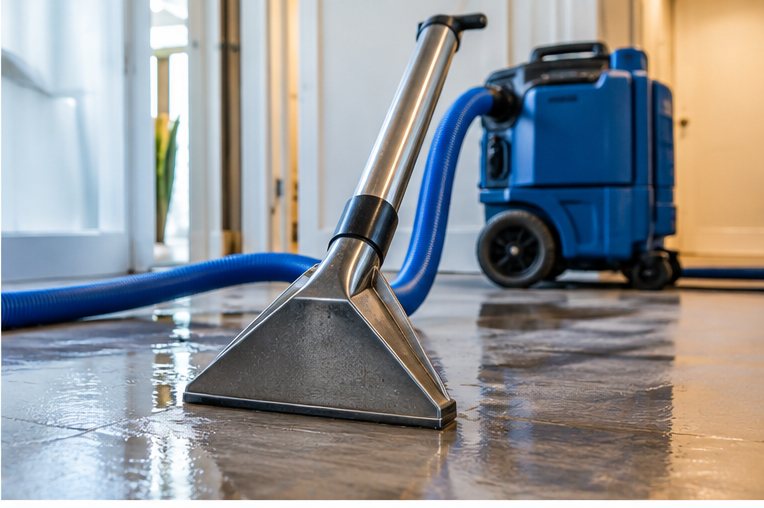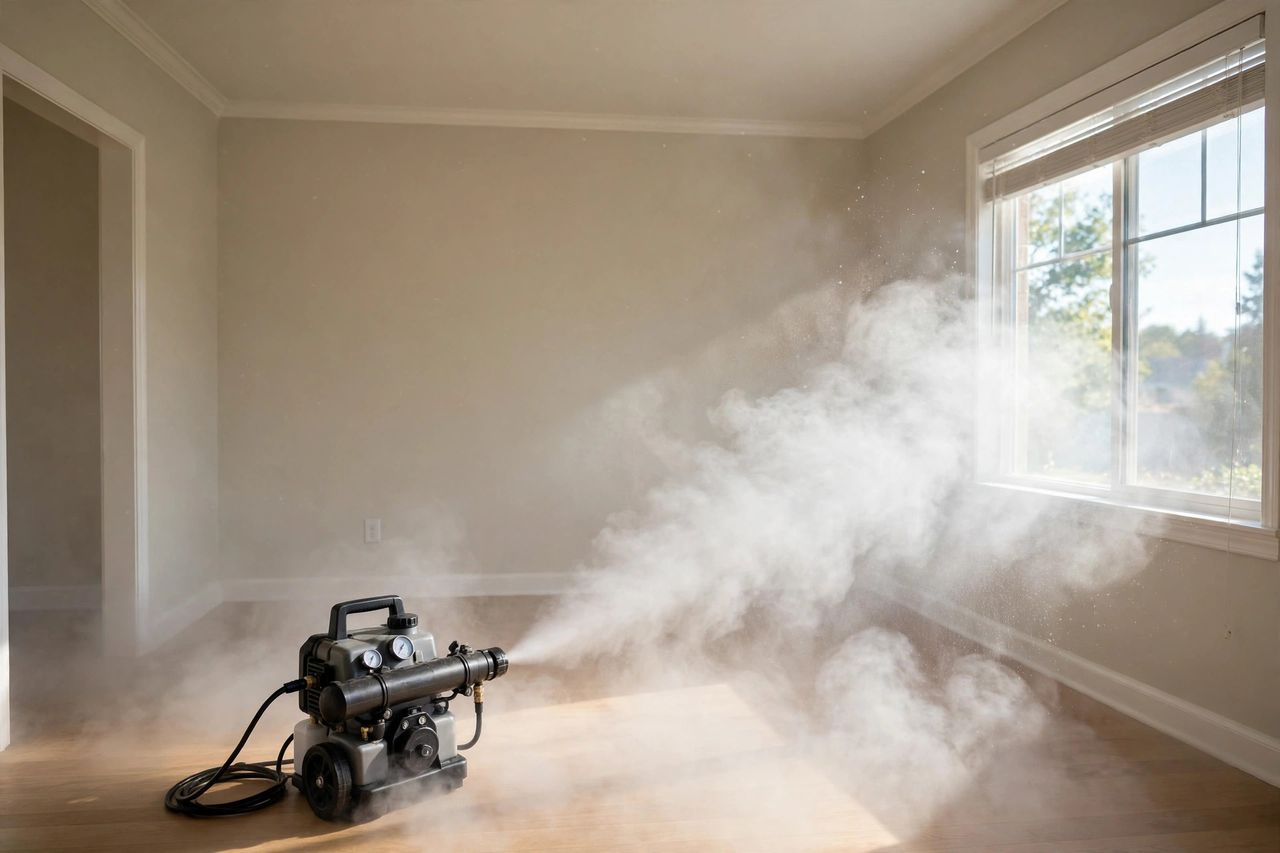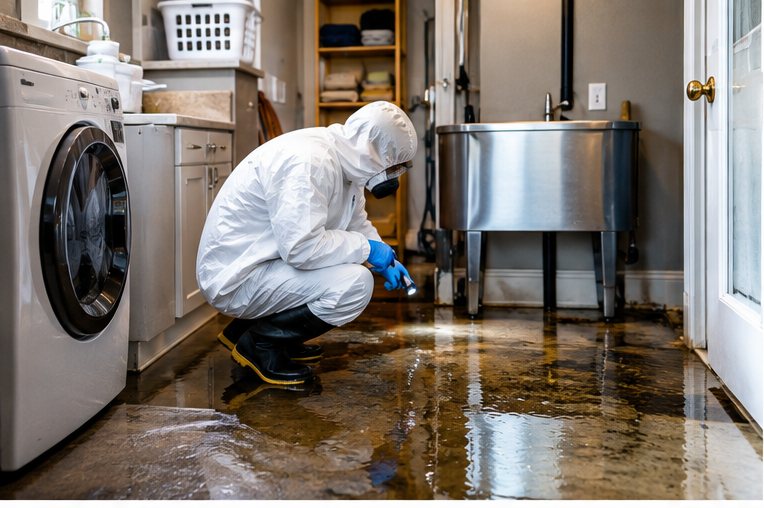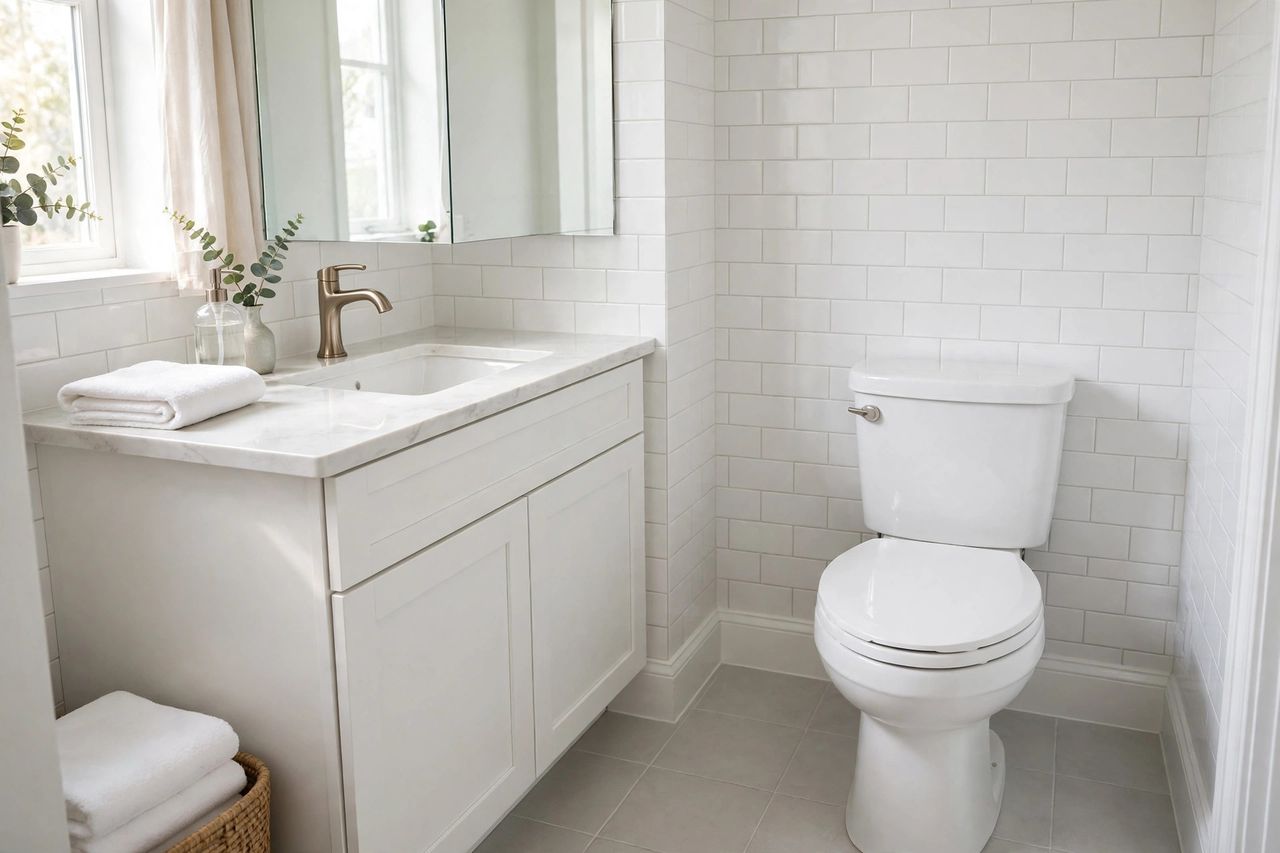
What is disinfection & sanitization? Sanitation is part of a broader cleanup process. Surfaces should first be physically cleaned to remove soils and residues; then an appropriate disinfecting or sanitizing process can be selected based on the material, contamination, product label, and required contact time.
How disinfection & sanitization is approached
Sanitation is part of a broader cleanup process. Surfaces should first be physically cleaned to remove soils and residues; then an appropriate disinfecting or sanitizing process can be selected based on the material, contamination, product label, and required contact time.
Disinfection is a separate step from cleaning, and the order matters: physical cleaning first, because disinfectants can't work through layers of soil and residue. Then the right product — EPA-registered for the job — applied to hard, nonporous surfaces and left for its full dwell (contact) time. Spray-and-wipe doesn't count. And disinfection has limits: it works on tile, porcelain, sealed concrete, and metal — not on carpet pad, drywall, or upholstery, which is why contaminated porous materials are removed instead.
Conditions that determine the cleanup scope
The scope is set by the type and condition of the surfaces, what contacted them, how thoroughly they can be physically cleaned, and whether moisture remains. Hard, non-porous surfaces can often be cleaned and disinfected in place; porous or damaged materials may need removal, and disinfecting cannot substitute for that decision.
Typical cleanup sequence
Assess the source and contamination path
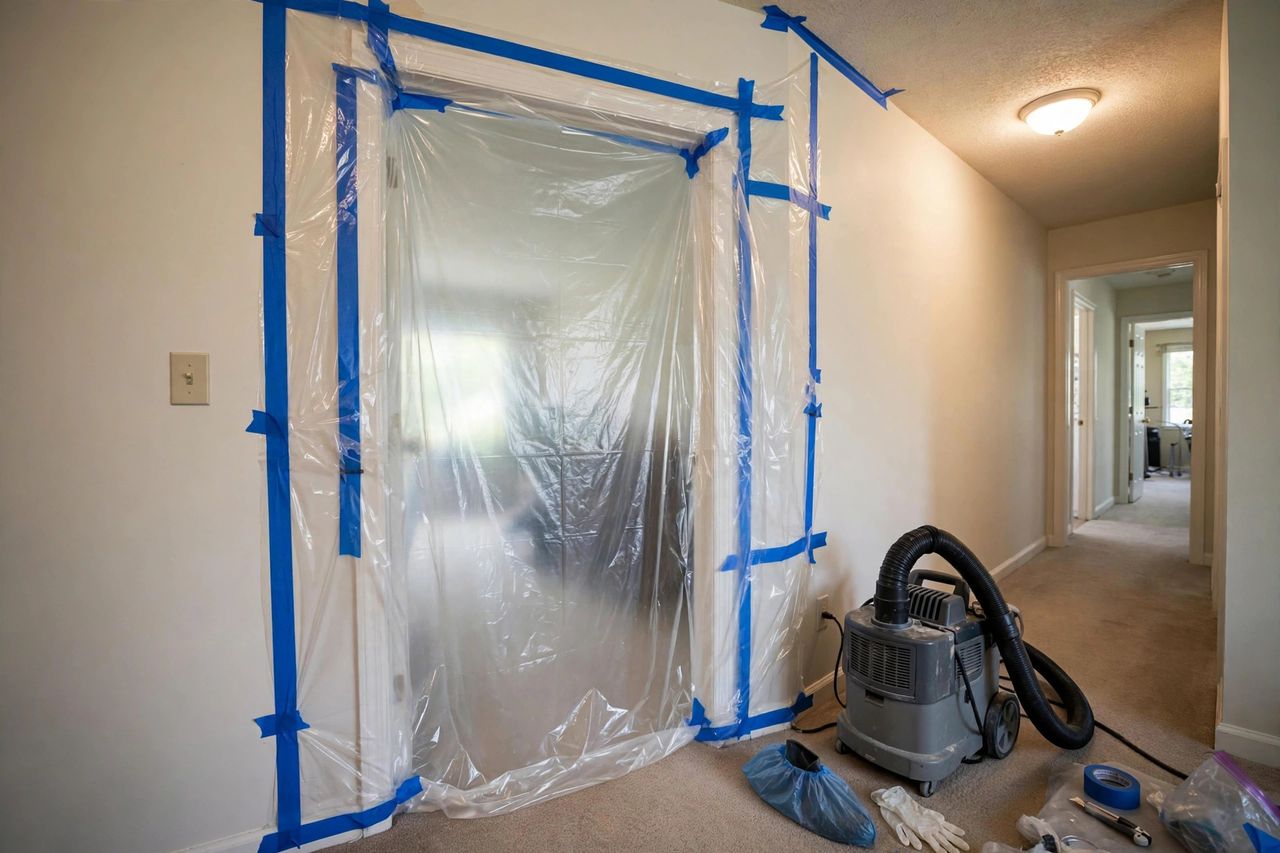
Control the affected area and reduce unnecessary exposure
Remove wastewater and contaminated materials where appropriate
Physically clean affected surfaces and contents that can be retained
Dry and monitor affected areas for remaining moisture
Address odor, microbial growth, repairs, and restoration needs
Materials that may be affected
Disinfection applies to hard, nonporous surfaces: tile and grout (after residue removal), porcelain fixtures, sealed concrete, stainless steel, and intact sealed wood. It does not apply to carpet, pad, drywall, insulation, fabrics, or unfinished wood — those can't be reliably disinfected after sewage contact and are removed. Knowing which category each material falls into is the core judgment call.
What to do before cleanup
- Restrict access to the affected area until the area is sanitized.
- Do not experiment with chemical mixes on sewage; household chemistry cannot make sewage safe.
- Do not use household fans on standing wastewater; professionals use containment and HEPA-filtered air instead.
- Take pictures before anything is disturbed before cleanup alters the scene.
- Determine whether the blockage is cleared or ongoing— coordinate the fix with the cleanup, not after it.
What not to assume
Disinfection & Sanitization decisions start from the contamination, not the appearance — Category 3 water changes what ‘clean’ means for every material it touched. Drywall, carpet pad, and insulation that contacted sewage usually come out; tile, concrete, and sealed surfaces can usually be restored.
Schertz context
Texas heat and humidity mean disinfected surfaces need to dry promptly afterward — lingering dampness invites mold even after proper sanitizing. The City of Schertz's wastewater page addresses blockage prevention and names CCMA as the regional wastewater provider for system-level issues.
Questions people ask about disinfection & sanitization
What is disinfection & sanitization?
Disinfection and sanitization is the microbial-control step within a sewage cleanup — not a standalone fix. Surfaces must first be physically cleaned to remove soils and residues, because disinfectants cannot work through dirt and grime. The appropriate product and contact time are then selected based on the material, the contamination, and the product label.
When is disinfection & sanitization needed?
It is needed after sewage or wastewater has been removed from surfaces that will be retained — such as hard flooring, tile, sealed concrete, or fixtures. If porous materials were saturated, they may need removal rather than disinfection. The step belongs in the sequence after extraction, removal, and physical cleaning, and before or alongside drying.
Can the visible water be the whole problem?
Not for this step. Disinfection addresses the surfaces that can be reached, but wastewater often travels beyond what is visible — under flooring, behind baseboards, into wall cavities. If those hidden areas were not cleaned and dried, sanitizing the visible surfaces will not address the contamination or moisture left behind.
What should happen before deodorizing?
Everything else: remove wastewater, remove contaminated materials where appropriate, physically clean surfaces, and verify the area is drying. Deodorizing and disinfecting are both finishing steps — they work on cleaned surfaces, not as replacements for cleaning. Applying products over residues wastes effort and can give a false sense that the area is clean.
What if the backup appears to be a public sewer problem?
The same principle applies: cleanup on the property and utility diagnosis are separate tasks. If the contamination came from a public sewer issue, contact the appropriate municipal or utility authority — the City of Schertz identifies CCMA as the regional wastewater provider — in addition to completing the cleaning and sanitation work inside the property.