What is raw sewage removal? Raw sewage presents a contamination problem rather than a simple water-removal problem. The cleanup approach needs to account for the source, route, volume, materials contacted, and the need for appropriate cleaning and sanitation after removal.
How raw sewage removal is approached
Raw sewage presents a contamination problem rather than a simple water-removal problem. The cleanup approach needs to account for the source, route, volume, materials contacted, and the need for appropriate cleaning and sanitation after removal.
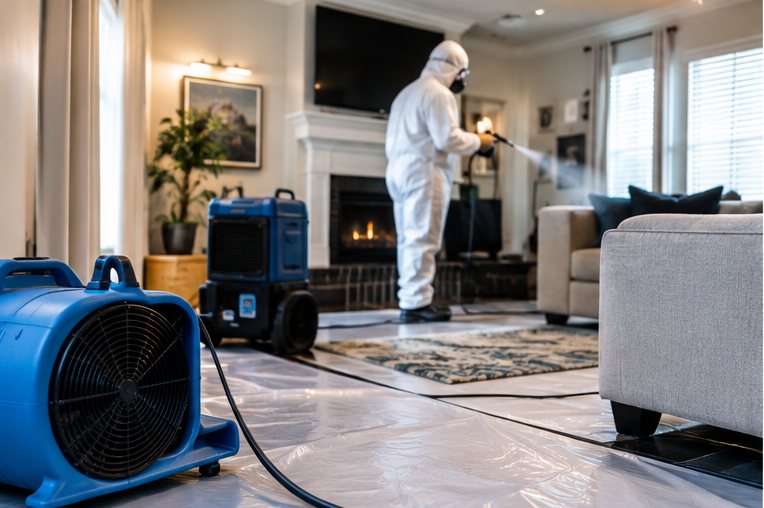
Raw sewage — straight from a sewer line, septic tank, or lift station — carries the highest pathogen load of any household wastewater. That changes how it's handled: full PPE including respirators, containment barriers so nothing tracks through clean areas, and bulk removal with professional extraction equipment rather than mops and buckets. Household cleanup methods don't cut it here, and mixing bleach into the mess doesn't make it safe either.
Conditions that determine the cleanup scope
The scope is determined by the volume and type of sewage, the path it traveled, which materials and contents it contacted, and how far contamination soaked in. Bulk removal is only the first phase — the same assessment decides what needs cleaning, what needs removal, and what needs sanitation afterward.
Typical cleanup sequence
Assess the source and contamination path
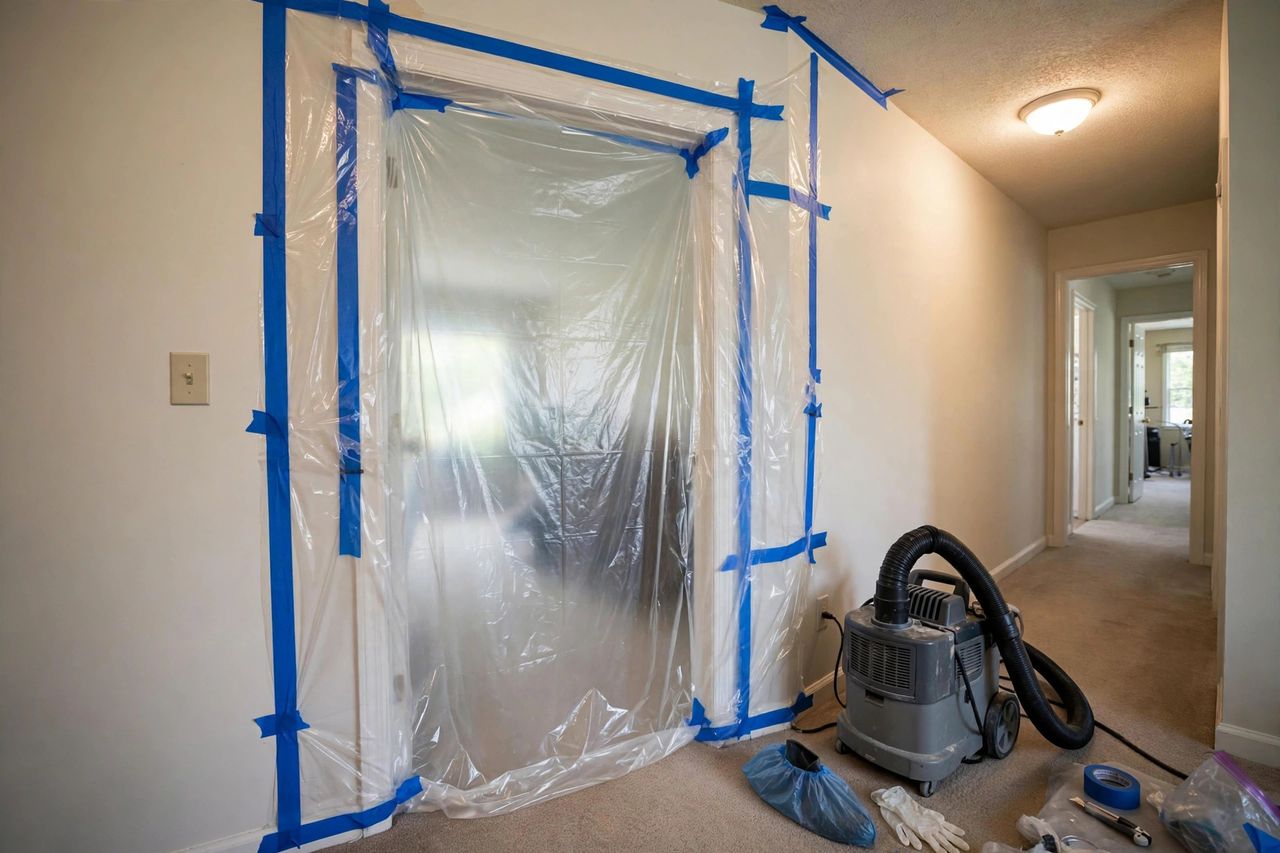
Control the affected area and reduce unnecessary exposure
Remove wastewater and contaminated materials where appropriate
Physically clean affected surfaces and contents that can be retained
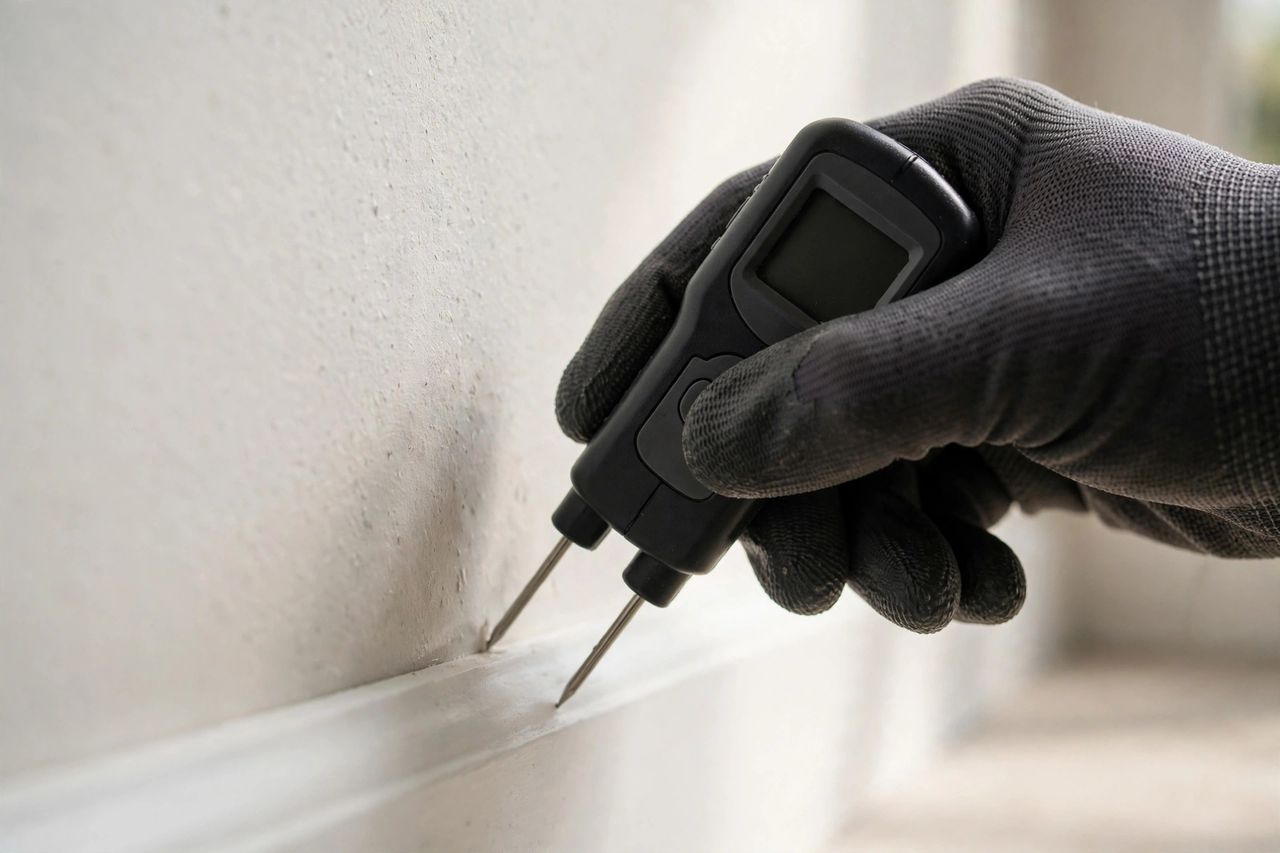
Dry and monitor affected areas for remaining moisture
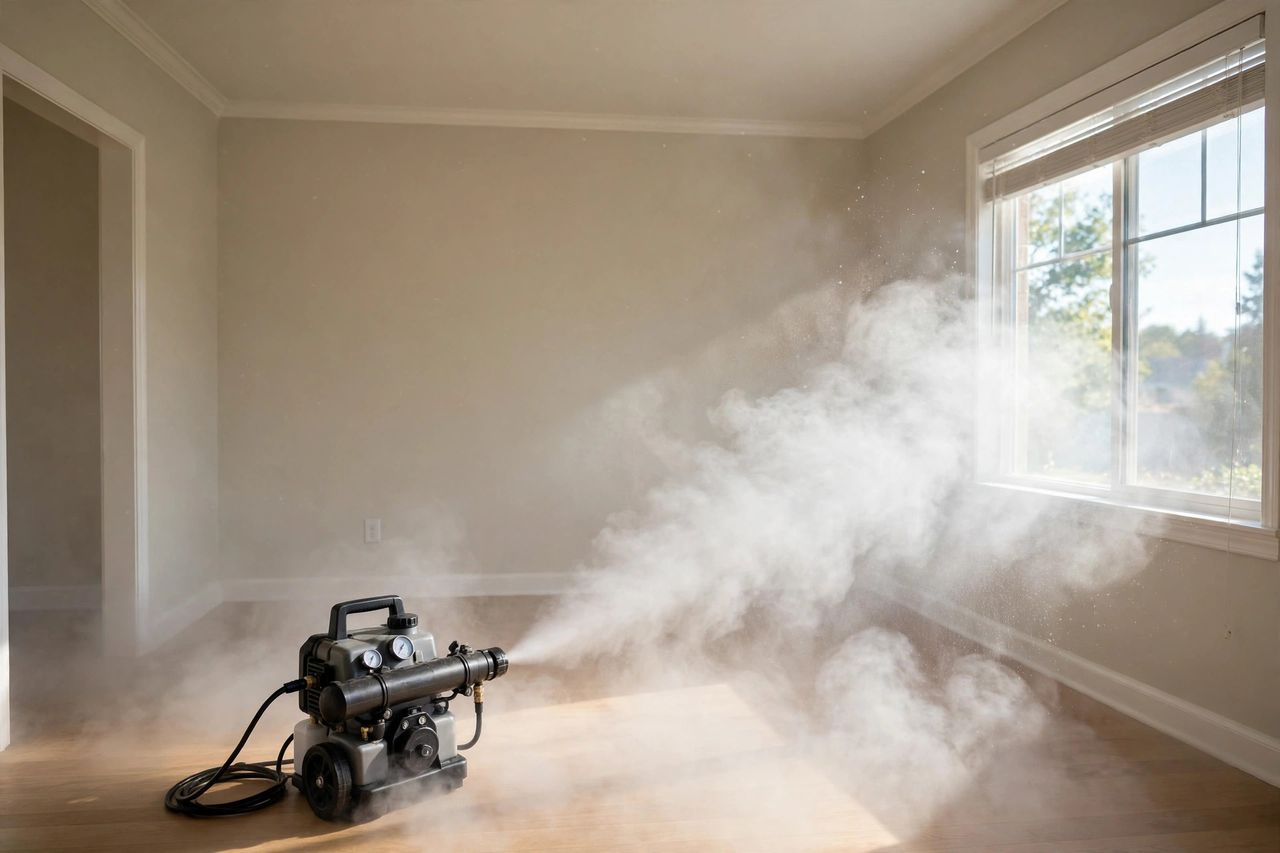
Address odor, microbial growth, repairs, and restoration needs
Materials that may be affected
Raw sewage contaminates on contact. Anything porous it touches — carpet and pad, upholstered furniture, mattresses, cardboard boxes, clothing piles, drywall, insulation — generally has to be removed and discarded as contaminated waste. Hard surfaces like tile, concrete, and sealed wood can be cleaned and disinfected once the bulk sewage is out. The line between ‘clean it’ and ‘remove it’ is drawn by porosity, every time.
What to do before cleanup
- Keep people and pets away from the contaminated water during Raw Sewage Removal work.
- Do not mix cleaning chemicals or improvise treatments— mixing products can create toxic gases.
- Do not run fans that blow across contaminated water— airborne droplets carry contamination to clean rooms.
- Photograph visible damage for your records— it helps scope the Raw Sewage Removal work.
- Find out whether the source is still active; a plumber, septic tech, or the utility may still be needed.
What not to assume
With Raw Sewage Removal, a surface that looks dry is not automatically clean — contamination is measured by what the water carried, not by how the surface looks now. The call on each material weighs contamination level, porosity, and whether it can truly be cleaned — not just how it looks.
Schertz context
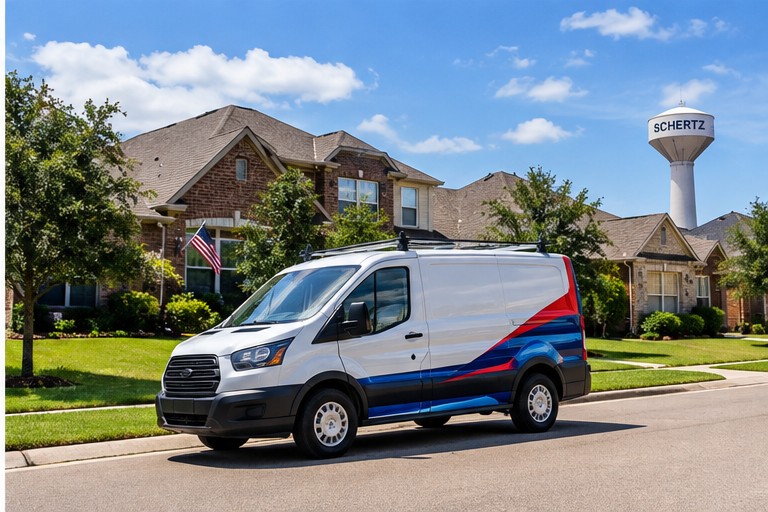
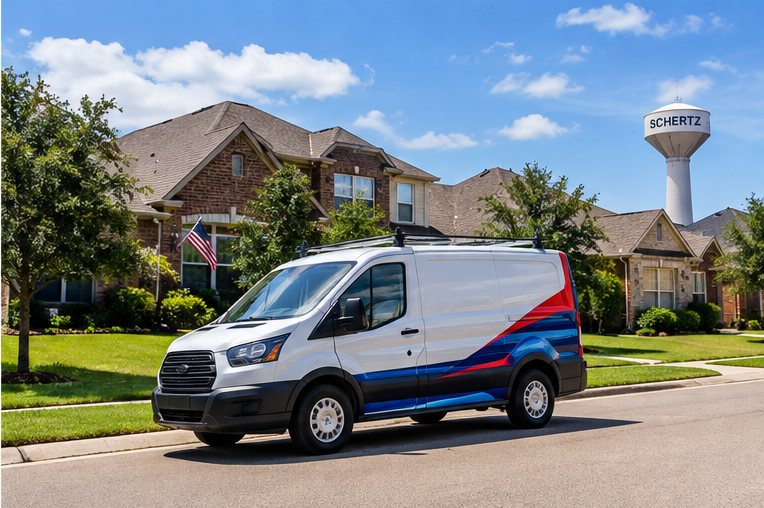
Raw sewage events in Schertz often trace back to a blocked sewer lateral (grease, wipes, and tree roots are the usual suspects) or a failed septic system on properties outside the sewer network. The City of Schertz's wastewater page links blockages to improper disposal and names CCMA as the regional wastewater provider.
Questions people ask about raw sewage removal
What is raw sewage removal?
Raw sewage removal is the physical removal of untreated sewage from an affected area — the solids, liquids, and contaminated debris — as distinct from the cleaning, sanitation, and drying that follow. The approach accounts for the source, the route the sewage traveled, the volume, the materials contacted, and the contamination left behind after the bulk is removed.
When is raw sewage removal needed?
It is needed when untreated sewage has entered a space and cannot be safely handled with household tools — standing sewage in a room, sewage-soaked debris or contents, or sewage that has spread across floors and into low areas. The longer raw sewage sits, the deeper it works into porous materials, so removal is the step that makes the rest of the cleanup possible.
Can the visible water be the whole problem?
Almost never. Raw sewage leaves contamination in everything it touches, not just where it pools. It can seep into cracks, wick into drywall and wood, soak into soil or gravel, and coat surfaces that look dry afterward. The visible sewage marks the starting point of the assessment, not its boundary.
What should happen before deodorizing?
Complete removal first: extract the sewage and contaminated debris, then clean residues from surfaces, address affected materials, and manage moisture. Deodorizing before removal is pointless — the odor source is the sewage itself and the residues it leaves, so odor work only becomes meaningful once the source material is gone.
What if the backup appears to be a public sewer problem?
If the sewage entered through a line that may be public, contact the appropriate municipal or utility authority in addition to addressing the contamination on the property. The City of Schertz identifies CCMA as the regional wastewater provider serving Schertz and nearby communities. Removal and utility diagnosis are separate tasks.