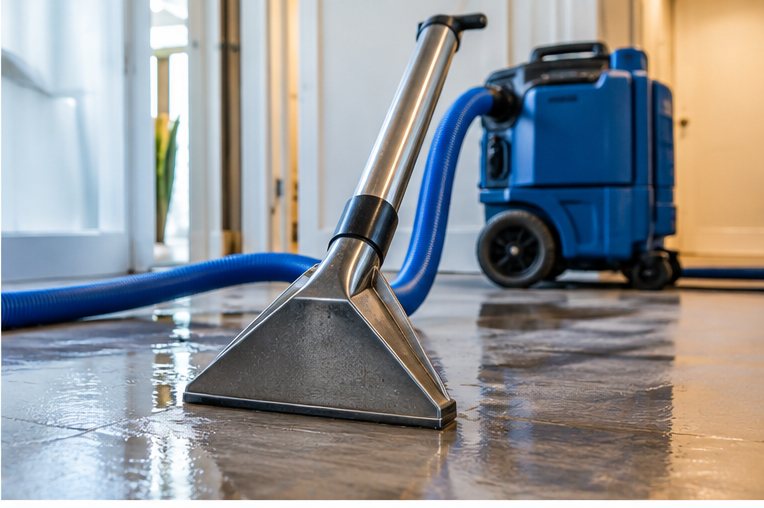
What is sewage cleanup & removal? A complete cleanup plan follows the contamination rather than stopping at the visible waterline. The work may include containment, extraction, controlled removal of contaminated materials, cleaning, sanitation, drying, odor assessment, and documentation of areas that require repair.
How sewage cleanup & removal is approached
A complete cleanup plan follows the contamination rather than stopping at the visible waterline. The work may include containment, extraction, controlled removal of contaminated materials, cleaning, sanitation, drying, odor assessment, and documentation of areas that require repair.
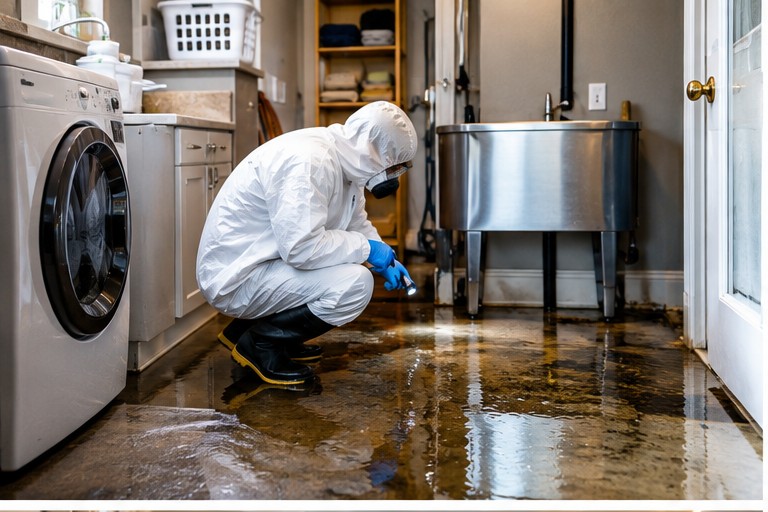
A complete cleanup starts with tracing the sewage, not just pumping it out. That means finding where the wastewater entered, following it across floors and under baseboards, checking what it soaked into — drywall, carpet pad, subfloor, cabinets — and finding moisture that isn't visible yet. The visible puddle is only the beginning of the story.
Conditions that determine the cleanup scope
The scope is determined by the contamination source, how far the wastewater traveled, which materials and contents it contacted, and where moisture remains. Because this service covers the full sequence, the same assessment decides the extraction plan, what gets removed versus cleaned, the sanitation step, and the drying strategy.
Typical cleanup sequence
Assess the source and contamination path
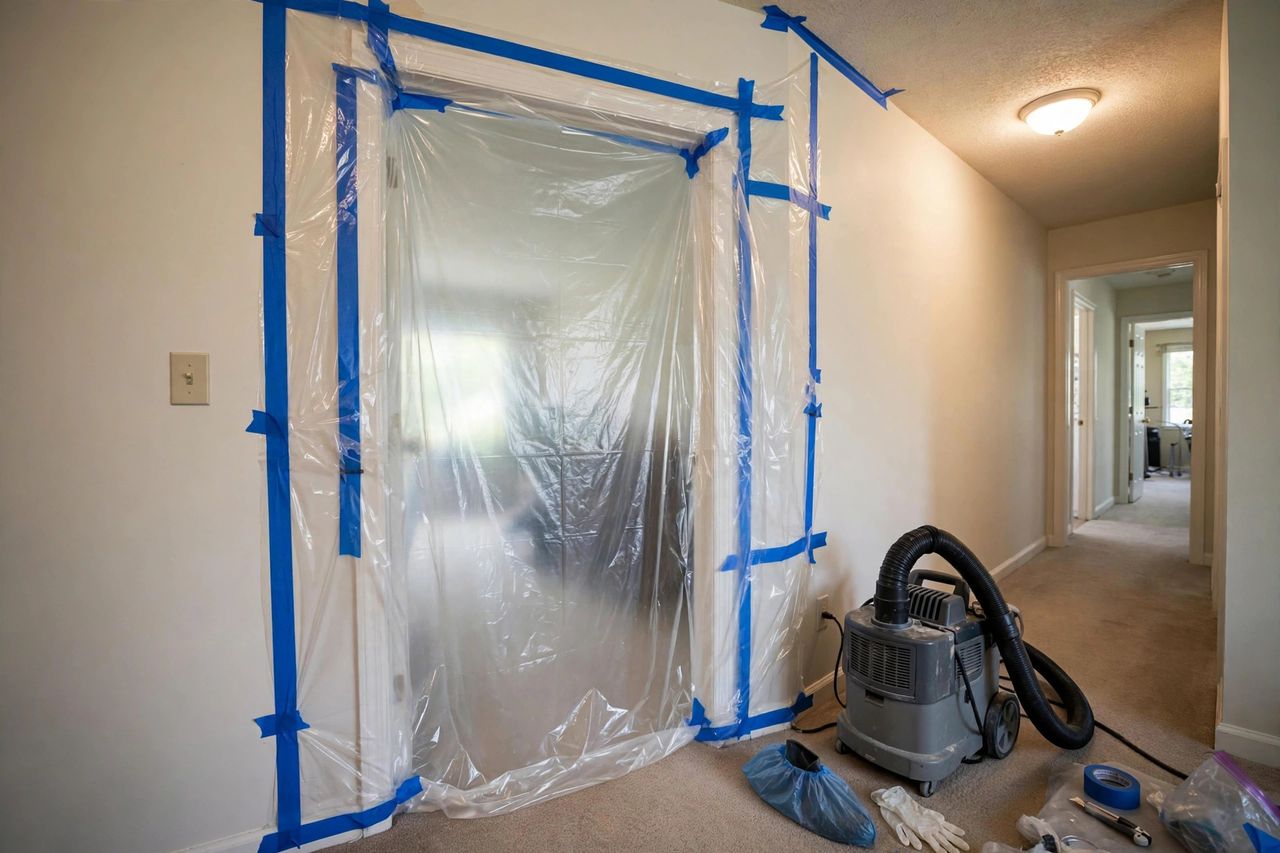
Control the affected area and reduce unnecessary exposure
Remove wastewater and contaminated materials where appropriate
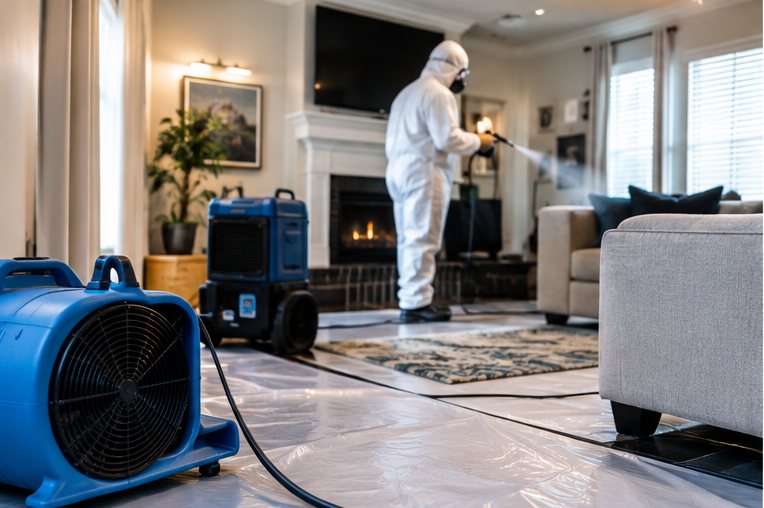
Physically clean affected surfaces and contents that can be retained
Dry and monitor affected areas for remaining moisture
Address odor, microbial growth, repairs, and restoration needs
Materials that may be affected
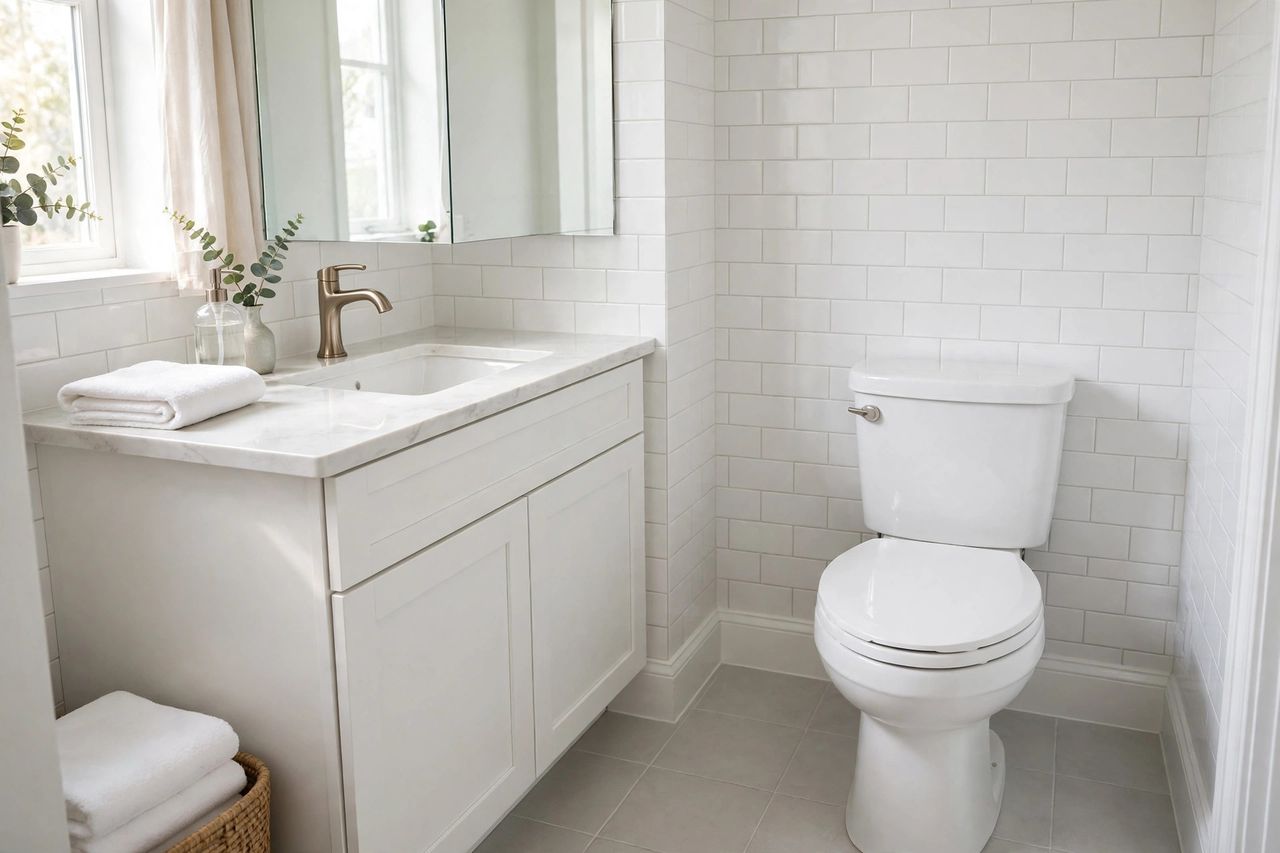
Sewage reaches whatever sits in its path: tile and grout, laminate or wood flooring, carpet and carpet pad, baseboards and drywall, vanity cabinets and built-ins, plus anything stored low — boxes, shoes, pet beds. Porous stuff like carpet pad, insulation, and particleboard usually can't be reliably disinfected and has to go; hard, nonporous surfaces can often be cleaned and saved. The call is made material by material, based on what the sewage touched and how long it sat.
What to do before cleanup
- Restrict access to the affected area for everyone's safety.
- Do not experiment with chemical mixes on sewage— leave disinfection to the right products and dwell times.
- Do not use household fans on standing wastewater until extraction and cleaning are complete.
- Take pictures before anything is disturbed for reference as the job progresses.
- Determine whether the blockage is cleared or ongoing before scheduling extraction and sanitizing.
What not to assume
Sewage Cleanup & Removal decisions start from the contamination, not the appearance — Category 3 water changes what ‘clean’ means for every material it touched. Removal versus cleaning is a material-by-material decision, made against the contamination rather than against appearances.
Schertz context
Schertz homes see the usual Texas culprits: grease and wipes clogging sewer laterals, tree roots finding old clay or cast-iron lines, and septic tanks overdue for pumping on larger lots. The City of Schertz's wastewater page notes that improper disposal contributes to blockages and names CCMA as the regional wastewater provider — if the problem looks bigger than your property, the utility needs to hear about it too.
Questions people ask about sewage cleanup & removal
What is sewage cleanup & removal?
Sewage cleanup and removal is the complete process: containment, extraction, controlled removal of contaminated materials, cleaning, sanitation, drying, odor assessment, and documentation of areas needing repair. A complete plan follows the contamination rather than stopping at the visible waterline. The exact scope depends on the source, contamination level, materials affected, and moisture conditions.
When is sewage cleanup & removal needed?
It is needed when a sewage event is too large or too contaminated for household cleaning — backups, overflows, or intrusions that affected porous materials, spread across rooms, left persistent odor, or left moisture that cannot be fully addressed with ordinary methods. If the contamination boundary is not clear, a complete assessment is the right starting point.
Can the visible water be the whole problem?
Almost never with sewage. The visible water marks where the event surfaced, but wastewater travels under flooring, behind baseboards, into wall cavities, and into porous materials. A complete cleanup is scoped by the full contamination path — including hidden areas — not by the visible waterline.
What should happen before deodorizing?
Work the sequence in order: contain and extract, remove contaminated materials where appropriate, physically clean surfaces, manage moisture and drying — then address odor. Deodorizing mid-process wastes effort because the odor source (residues, damp materials, hidden contamination) is still being removed. Odor assessment belongs at the end.
What if the backup appears to be a public sewer problem?
Treat cleanup and utility diagnosis as parallel tasks. If the event appears to involve a public sewer line, contact the appropriate municipal or utility authority — the City of Schertz identifies CCMA as the regional wastewater provider serving Schertz and nearby communities — while the property-side cleanup proceeds.