Ashley Place
Schertz, Texas
Local sewage cleanup information for Ashley Place, with direct links to service-specific guidance, Schertz wastewater context, and practical steps after a sewage backup.
What should I do after a sewage backup in Ashley Place? Keep people and pets away from the wastewater — it can carry harmful bacteria, so do not wade through it or try to mop it up yourself. If you can do it safely, stop the source: close the toilet supply valve, and avoid running water or flushing while drains are backing up. Open windows for airflow and photograph every affected room before anything is moved. What decides the cleanup scope is how far the water traveled and what it touched — sewage on tile is a very different job than sewage under carpet, behind baseboards, or inside cabinets, and black water from a sewer line is handled more strictly than gray water from a fixture. Porous materials often have to be removed rather than cleaned, and hidden moisture under flooring is what turns a small backup into a bigger repair, so get a professional check even when the surface looks dry.
Ashley Place is a well-established Schertz subdivision of single-family homes, where most backups involve the everyday sources — a toilet, a laundry or garage floor drain, or the main sewer lateral. Because these homes have been lived in for years, floor drains and cleanouts can sit untouched for a long time, so trouble often starts as a slow drain that suddenly becomes a backup.
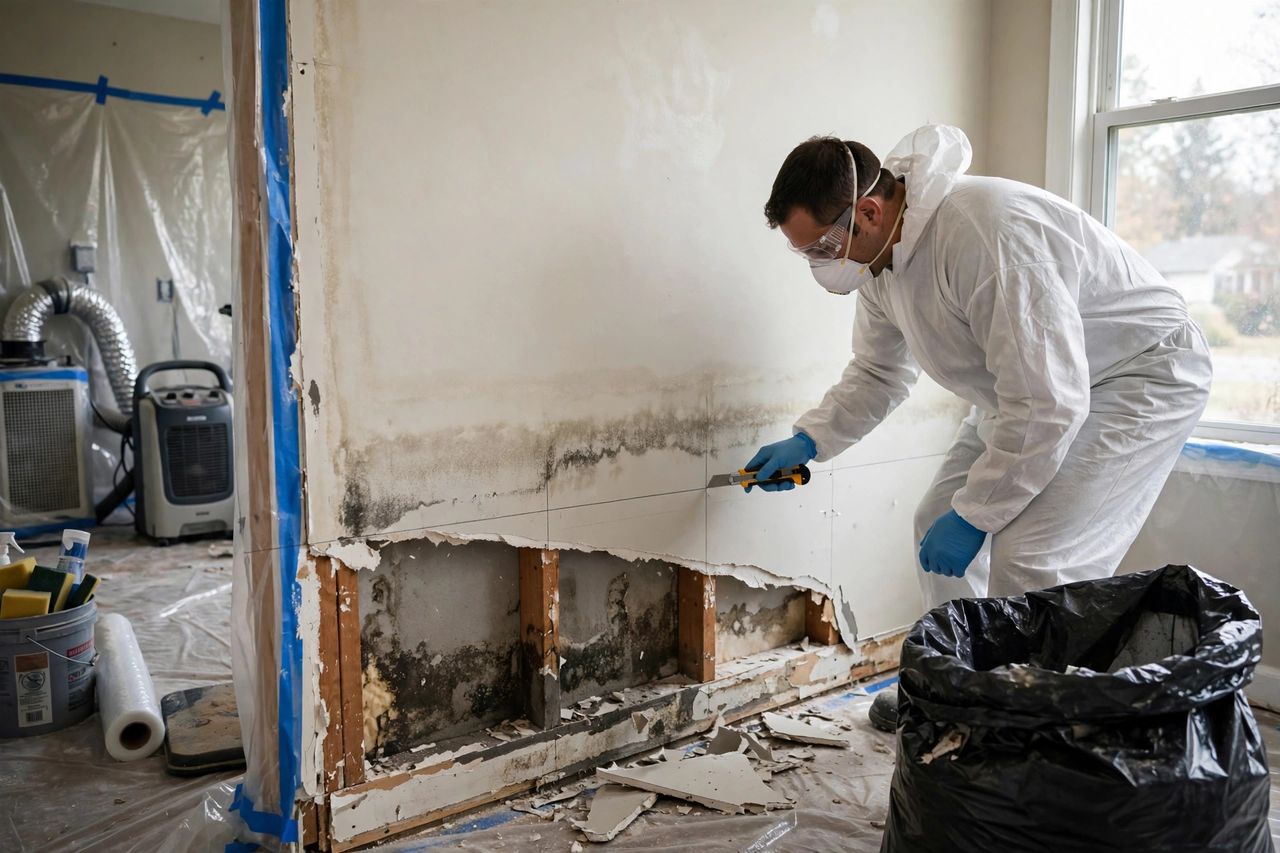
Ashley Place homes see the usual culprits: fixture clogs close to the drain, grease buildup deeper in the line, tree roots finding joints in the sewer lateral, or a septic tank that needs attention. The visible puddle is only the beginning: capillary action pulls wastewater sideways under flooring and upward into drywall, spreading contamination well past the waterline.
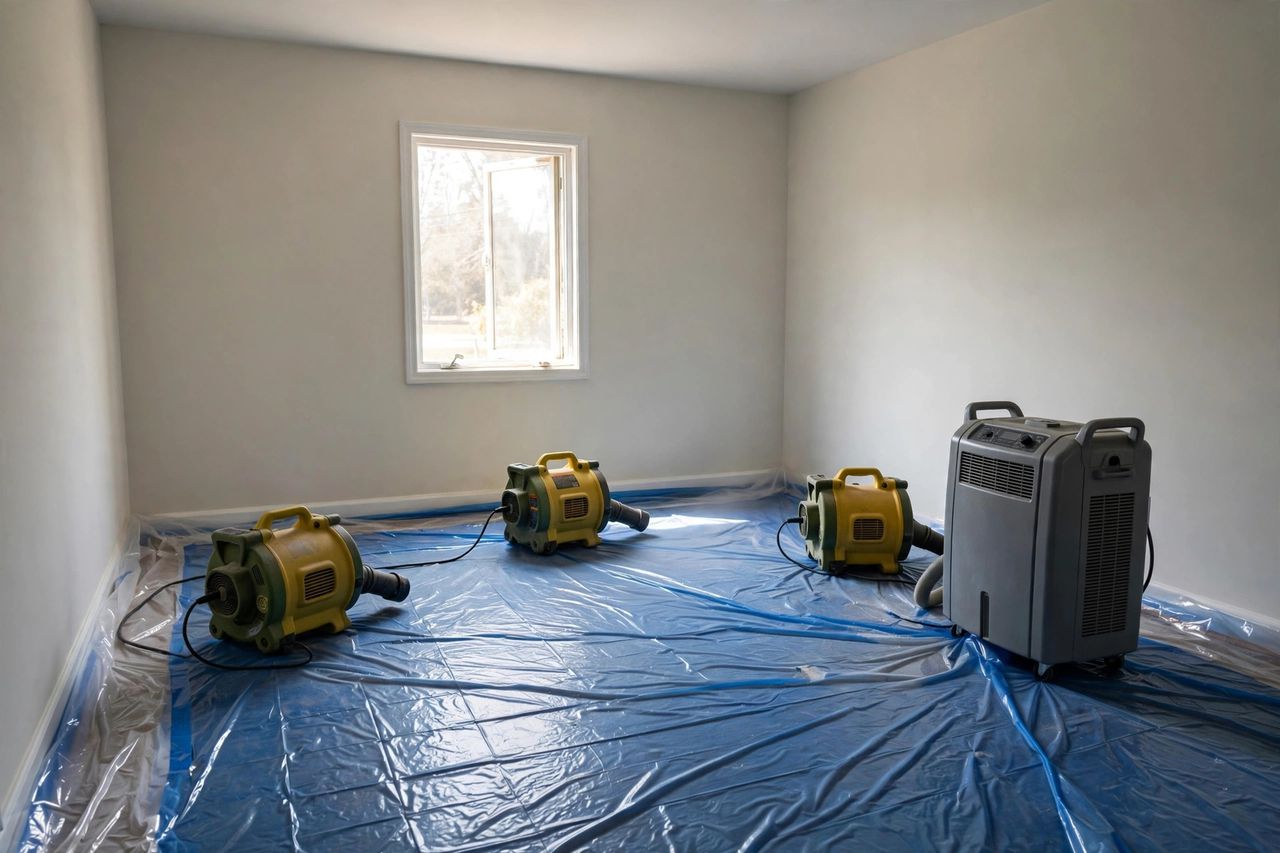
For a Ashley Place home, the order of operations matters: extract the standing wastewater first, then clean surfaces, then sanitize and allow the disinfectant its full dwell time, then dry the structure with air movers and dehumidifiers before any rebuilding starts. A stubborn sewage odor is a diagnostic clue, not just a nuisance: it usually points to contamination trapped under flooring, inside a wall cavity, or behind a cabinet that the first pass missed.
Not every backup in Ashley Place needs the same response, so pick the service page that lines up with your situation — the guidance differs for a contained toilet overflow versus wastewater across multiple rooms. The right page depends on the source: toilet, sewer lateral, septic system, or an appliance drain each point to different guidance.
In Ashley Place, a backup usually shows up as a toilet that will not drain, water rising in a shower or tub, a floor drain in the garage or laundry pushing water up, or a strong sewage odor near fixtures. The pattern tells you a lot: a single fixture acting up points to a local clog, while several fixtures backing up at once — especially the lowest drain in the home — usually means the main sewer line is blocked.
For Ashley Place homes, stopping the source comes before cleaning: a plumber diagnoses and clears the clog in the lateral or fixture, and only then can extraction and sanitizing do lasting good. After the line is clear, the indoor work begins: removing standing wastewater, cleaning hard surfaces, sanitizing with proper dwell time, and confirming hidden areas are dry.
Schertz, Texas
Extraction, cleanup, sanitation, odor, moisture, and restoration planning.
Call to discuss your cleanup situation
For Ashley Place properties, start by listing every room the wastewater reached and what got wet — tile, carpet, wood, drywall, cabinets — because that inventory decides what can be cleaned and what must go. The service pages linked above walk through extraction, disinfection, odor control, drying, and restoration in the order they actually happen.
The neighborhood name helps you land on the right page, but the cleanup itself depends on what happened at your property. In Ashley Place, the most useful starting point is to identify the source, the direction the wastewater traveled, and the materials it contacted. A toilet overflow, sewer-line backup, floor-drain backup, and septic event can each leave a different contamination trail, even when the visible mess looks similar.
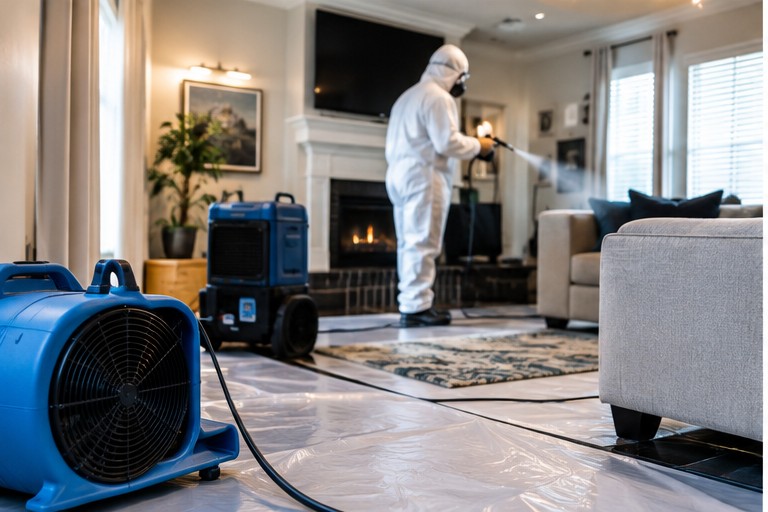
After the water stops rising in Ashley Place, set up containment to keep the work area isolated, extract standing wastewater, then clean and sanitize before drying equipment goes in. A sewage odor that refuses to leave is information: it almost always means contaminated material remains somewhere — under a cabinet, inside a wall, beneath the flooring.
These images show the general types of conditions and equipment discussed on this page, not a specific completed job.
Call the local number to discuss the situation and identify the relevant service page.